Китай предлагает широкий выбор поставщики кованых колес на заказВ том числе производители, торговые компании и специализированные поставщики решений для колес. Для международных покупателей ключевым моментом является не просто поиск поставщика, способного изготовить колесо, а поиск такого, который сможет должным образом организовать подтверждение соответствия, утверждение чертежей, производство, контроль качества и координацию заказа.
Проекты по изготовлению кованых дисков на заказ часто включают в себя различные технические характеристики автомобиля, зазор для тормозов, вылет, вогнутость, отделку, логотипы и требования к упаковке. Эти детали следует проверить и подтвердить до начала производства.
Подходящий поставщик кованых дисков на заказ должен уметь подтвердить совместимость с автомобилем, указать используемый материал, предоставить четкий процесс утверждения 3D-чертежей, показать реальные доказательства производства и контроля качества, объяснить наличие документов по испытаниям, а также подтвердить минимальный объем заказа, сроки поставки и основную информацию о гарантии в письменной форме.
Независимо от того, являетесь ли вы дистрибьютором колес, тюнинг-ателье, производителем высокопроизводительных автомобилей, импортером автомобильных запчастей или покупателем продукции под собственной торговой маркой, следующие пункты помогут вам оценить поставщика кованых колес на заказ в Китае.
Первый шаг — понять, как работает поставщик. Некоторые поставщики владеют собственными производственными мощностями, в то время как другие работают с квалифицированными производственными партнерами и сосредотачиваются на технической коммуникации, координации производства, контроле качества, экспортной документации и послепродажном обслуживании. Поставщику не обязательно владеть всем оборудованием, используемым в производстве. Покупатели должны понимать, кто проверяет технические характеристики, подтверждает дизайн, взаимодействует с производственной командой, следит за графиком и координирует проверку качества.
В проекте по изготовлению кованых дисков на заказ четкая ответственность зачастую важнее, чем общие заявления типа «мы — завод». Надежный поставщик должен оставаться вовлеченным в проект на протяжении всего его выполнения, а не просто передавать заказ производственному партнеру и исчезать из процесса.
Правильная подгонка — один из важнейших аспектов при заказе кованых дисков на заказ.
Профессиональный поставщик не должен составлять окончательное ценовое предложение, основываясь только на диаметре и ширине колеса. Он также должен учитывать область применения и технические требования к транспортному средству. Покупателя могут попросить предоставить следующую информацию:
Марка, модель, год выпуска и версия автомобиля
Если оригинальные тормоза и подвеска не были модифицированы, некоторые параметры могут быть проверены в соответствии с первоначальной конфигурацией автомобиля. Однако предоставление точной информации о PCD, ET и центральном отверстии может помочь уменьшить количество ошибок при установке. Для модернизированных тормозных систем поставщик может запросить размеры тормозных суппортов, шаблон тормозной системы или подробную информацию о тормозной системе. Поставщик, который сразу же предоставляет окончательную смету, не уточнив характеристики автомобиля, зазоры тормозов или передние и задние параметры, возможно, недостаточно тщательно изучил проект.
Алюминиевый сплав 6061-T6 широко используется для изготовления кованых дисков на заказ, поскольку он обеспечивает практичный баланс прочности, веса, обрабатываемости и коррозионной стойкости. В коммерческом предложении или подтверждении заказа следует четко указывать материал, а не использовать общие описания, такие как «высококачественный алюминий» или «материал авиационного класса».
Покупатели могут задавать вопросы:
Сертификаты на поддельные заготовки могут содержать полезную информацию об исходном материале. Однако сам по себе сертификат на материал не доказывает, что готовое колесо будет соответствовать всем требованиям к характеристикам. Конечный результат также зависит от конструкции колеса, обработки, термообработки, размеров, качества поверхности, сборки и контроля качества.
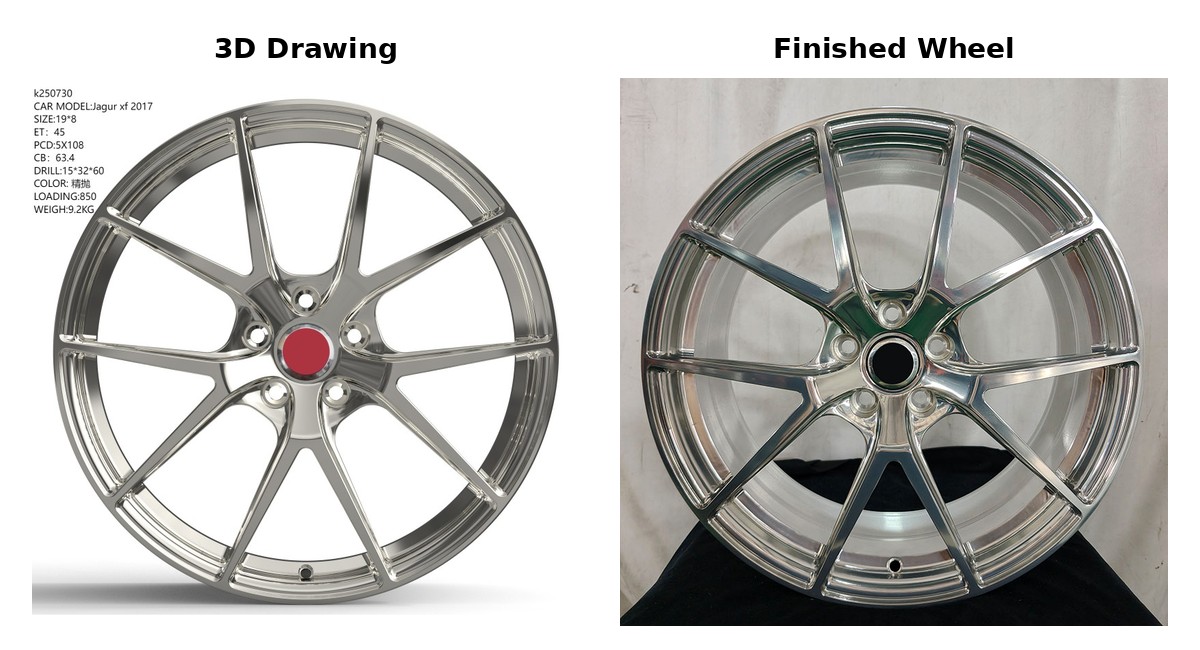
Четкий процесс подтверждения чертежа может предотвратить множество производственных споров. В случае изготовления кованых дисков на заказ поставщик, как правило, должен подготовить чертеж после подтверждения требований к посадке и дизайну. На 3D-чертеже может быть показано:
Перед утверждением производства покупатель должен внимательно проверить чертеж. Также важно уточнить, какой тип файла будет предоставлен. 3D-чертеж для визуального подтверждения не заменяет редактируемый файл САПР или инженерный файл.
Покупателям следует подтвердить:
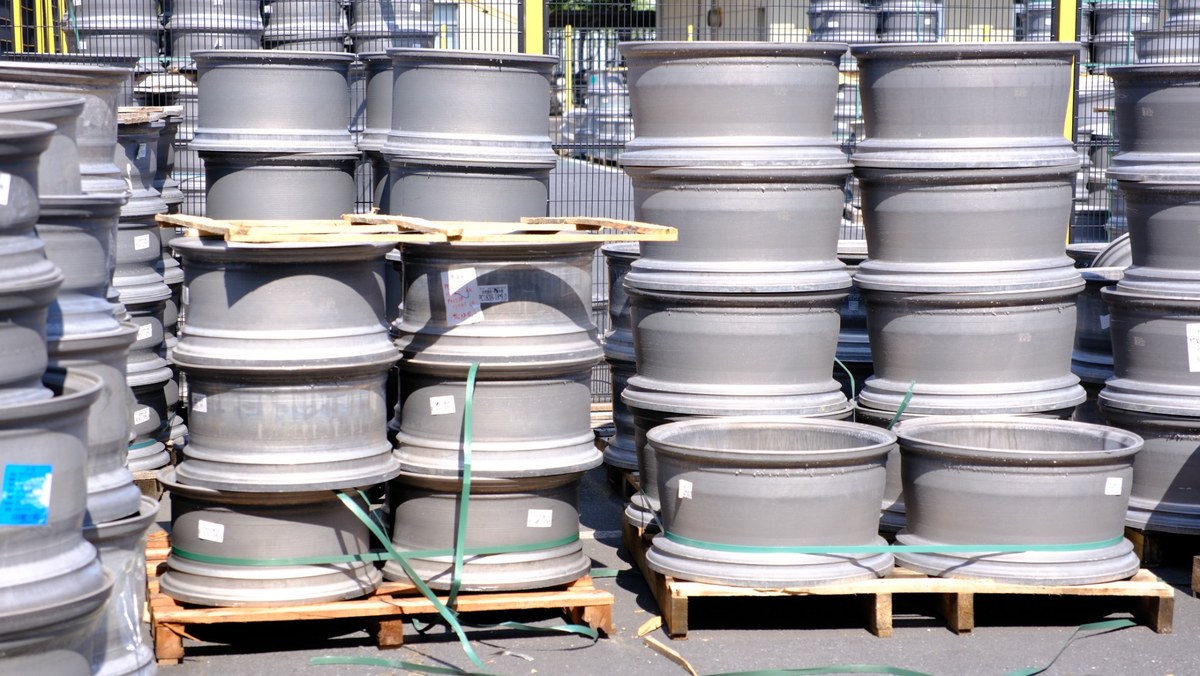
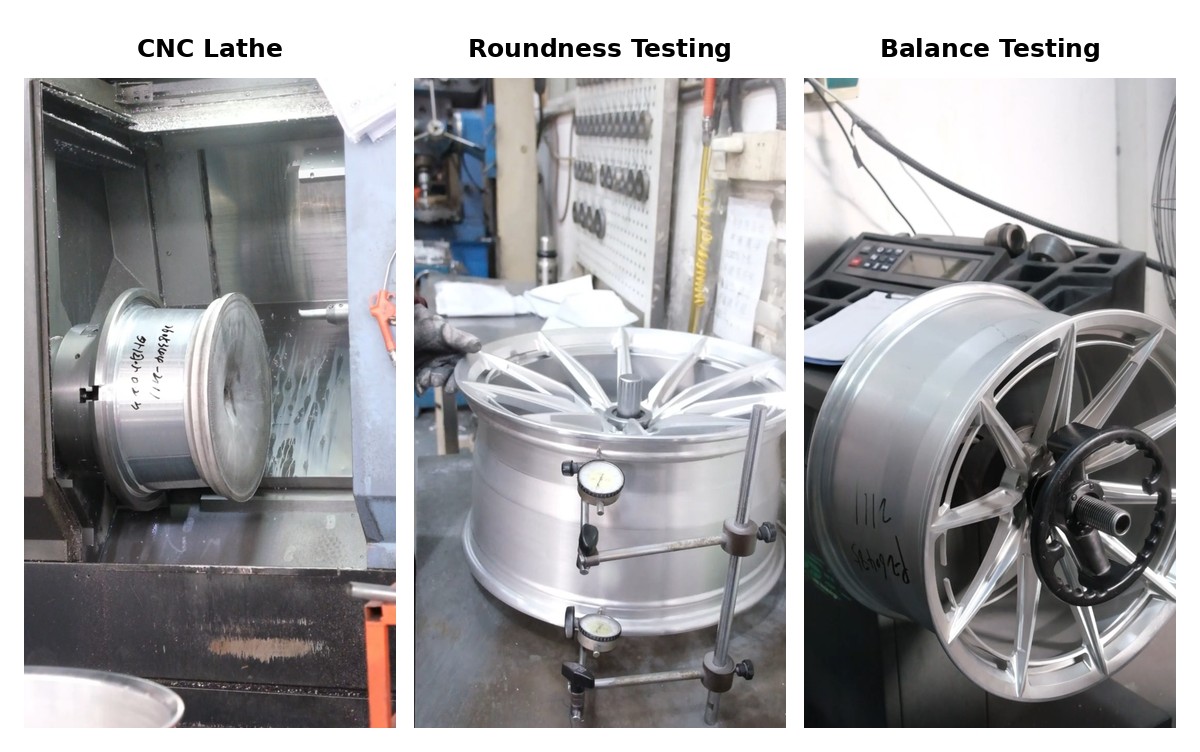
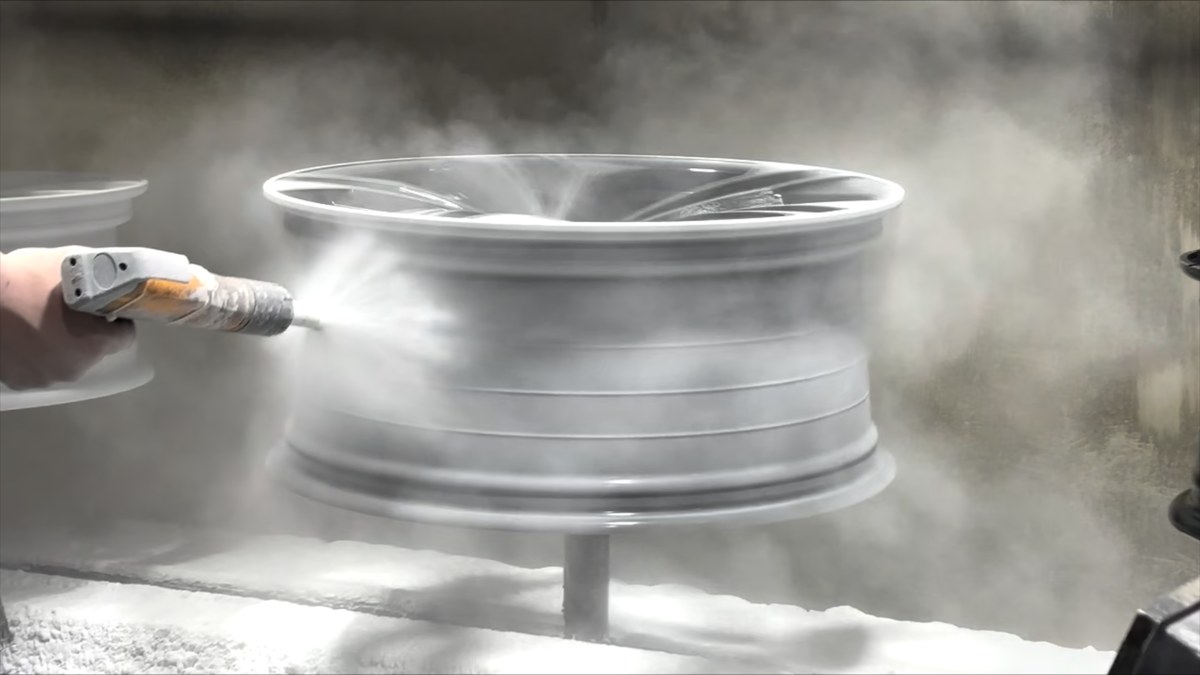
Изображения в каталоге и 3D-визуализации могут демонстрировать варианты дизайна, но они не доказывают активного участия поставщика в производстве и контроле качества. Перед размещением заказа покупатели могут запросить реальные фотографии или видео, демонстрирующие кованые заготовки, обработку на станках с ЧПУ, финишную обработку поверхности, сборку колес, проверку размеров, проверку округлости, балансировку и упаковку.
Видеоролики о процессе производства и контроля качества особенно полезны для зарубежных покупателей, которые не могут посетить производственную площадку. Однако покупателям следует проверить, может ли поставщик связать фотографии или видео с реальными проектами, а не предоставлять только общие рекламные материалы. Проверка округлости и балансировки — это стандартные процедуры контроля качества. Их не следует путать с испытаниями на прочность конструкции, такими как усталостная прочность при изгибе, радиальная усталость и ударные испытания.
Для некоторых рынков, проектов и каналов сбыта могут потребоваться специальные сертификаты или стандарты испытаний для колес. Однако не каждый поставщик кованых колес на заказ имеет сертификаты JWL, VIA, TÜV или SAE, и протокол испытаний для одной модели колес не распространяется автоматически на все колеса, изготовленные тем же поставщиком. Покупателям следует напрямую уточнять, какие документы фактически доступны. В зависимости от поставщика и проекта, доступные документы могут включать:
При изучении протокола испытаний покупатели должны проверить следующие пункты:
Отчет по одному варианту конструкции колеса не доказывает, что все изготовленные на заказ колеса обладают одинаковыми характеристиками. Для проектов, требующих соблюдения определенных стандартов тестирования или сертификации на рынке, эти требования следует подтвердить до размещения заказа. Стоимость тестирования, требования к образцам и сроки производства могут потребовать отдельной оценки.
Изготовление кованых дисков на заказ — это не просто выбор модели из каталога. В зависимости от проекта, индивидуализация может включать в себя:
При сравнении поставщиков покупателям следует поинтересоваться, как эти требования регистрируются и контролируются. Окончательные спецификации не должны оставаться разрозненными в электронных письмах или сообщениях чата. Они должны быть включены в коммерческое предложение, чертеж, подтверждение заказа или производственную документацию. Для автомобилей с разноразмерными колесами поставщик должен четко указать размеры, ширину, вылет и вогнутость передних и задних колес.
Минимальный объем заказа особенно важен для тюнинговых мастерских, небольших дистрибьюторов, новых марок дисков и покупателей, тестирующих нового поставщика. Некоторые поставщики кованых дисков в основном принимают оптовые заказы, в то время как другие могут поддерживать небольшие индивидуальные проекты. Минимальный объем заказа в четыре диска позволяет покупателям:
Цена за единицу продукции при заказе четырех деталей по индивидуальному проекту обычно выше, чем цена за более крупный производственный заказ. Затраты на программирование, подготовку чертежей, настройку станков с ЧПУ, отделку, контроль качества, упаковку и экспортную обработку распределяются между меньшим количеством колес. Низкий минимальный объем заказа (MOQ) полезен, но поставщик все равно должен соблюдать формальный процесс подтверждения соответствия, утверждения чертежей и контроля качества.
Срок изготовления зависит от конструкции колеса, сложности дизайна, размера, отделки, количества и текущего производственного графика. В качестве общего ориентира:
Изготовление четырехкомпонентного моноблочного кованого диска может занять около 14 рабочих дней после подтверждения чертежа.
Выполнение заказа на два или три образца может занять от 20 до 25 рабочих дней.
Выполнение крупных производственных заказов может занять от 25 до 45 дней.
Специальная отделка, сложная механическая обработка, изготовление фурнитуры на заказ, многократные доработки и пиковые периоды производства могут потребовать дополнительного времени. Покупателям следует уточнить, когда официально начинается отсчет времени выполнения заказа. Возможные отправные точки включают:
Поставщик, обещающий необычно короткие сроки выполнения заказа до ознакомления с деталями проекта, возможно, не учел фактические производственные потребности.
Цена важна, но не должна быть единственным критерием выбора. Два предложения могут описывать одно и то же колесо, но включать разные материалы, компоненты, услуги и требования к проверке. Перед сравнением цен проверьте, включает ли каждое предложение:
Более низкая цена может не включать в себя специальную отделку, частные логотипы, упаковку, центральные колпачки, компоненты сборки или другие расходы. Для проекта по изготовлению кованых дисков на заказ обычно полезнее получить четкую и полную смету, чем самую низкую первоначальную цену.
Перед оформлением заказа покупателям следует уточнить базовый гарантийный срок и порядок действий поставщика в случае возникновения проблем с продуктом. Гарантия может варьироваться в зависимости от конструкции колеса, отделки поверхности и требований заказа. Поэтому покупателям следует уточнить применимые условия в коммерческом предложении или подтверждении заказа. При сообщении о проблеме поставщик может запросить фотографии, видео, технические характеристики колеса, информацию об установке и другие детали, чтобы помочь определить причину и обсудить подходящее решение. Четкая и своевременная коммуникация после доставки важна, особенно для индивидуальных и корпоративных заказов.
| Элемент | Что следует проверить покупателям |
| роль поставщика | Завод, торговая компания или поставщик решений для колес |
| Материал | Информация об алюминиевом сплаве и кованых заготовках |
| Совместимость | Автомобиль, PCD, ET, центральное отверстие, тормоза и настройка передней/задней оси. |
| Рисунок | 3D-изображение, процесс утверждения и правила внесения изменений. |
| Производственные доказательства | Реальные изображения механической обработки, отделки, контроля качества и упаковки. |
| Документы для тестирования | Доступные отчеты и применимые спецификации |
| Условия заказа | Минимальный объем заказа, сроки поставки, ценовая информация и базовая гарантия. |
| Письменное подтверждение | Основные технические характеристики, утверждение чертежей, сроки выполнения и внесение изменений. |
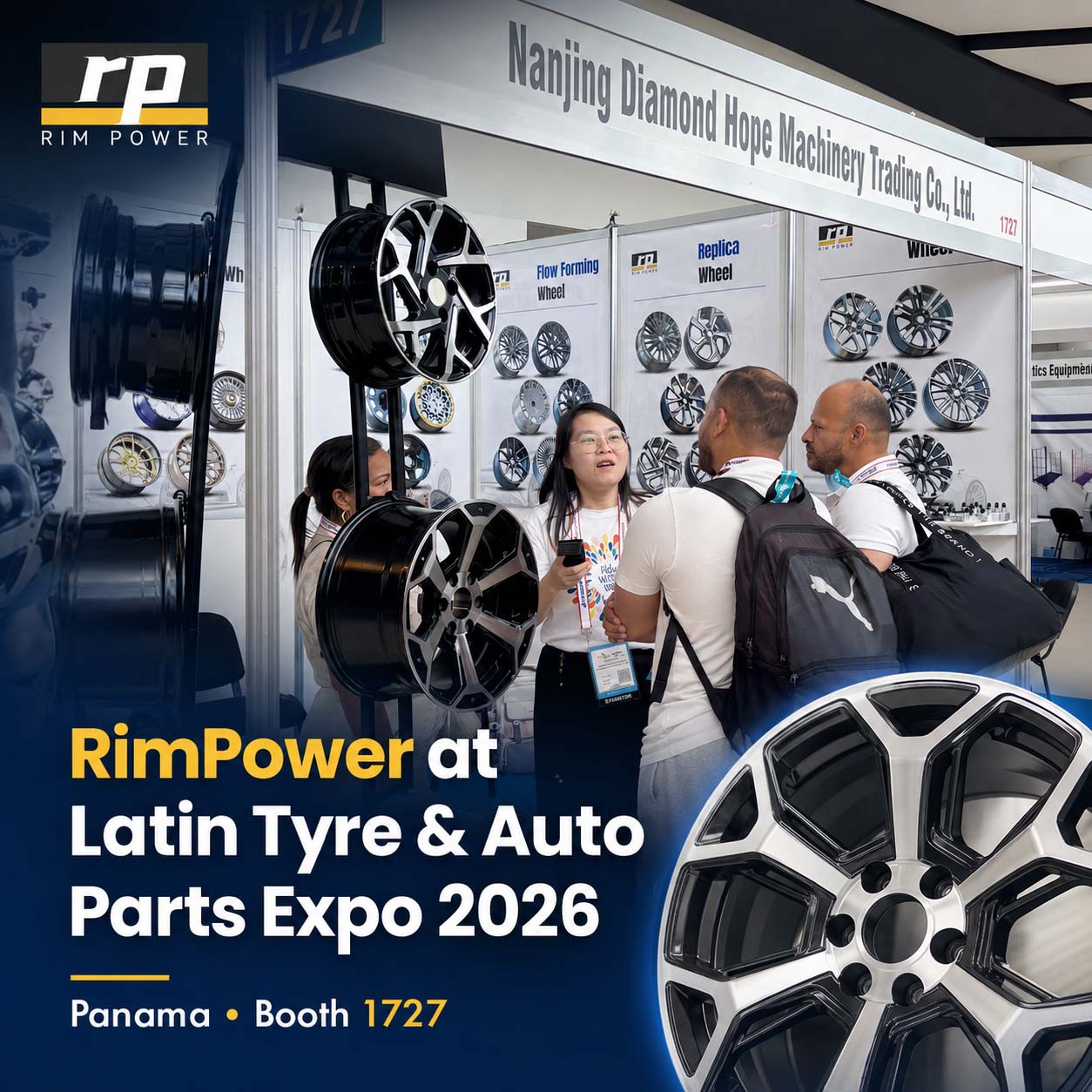
RimPower Это бренд кованых дисков, принадлежащий компании Nanjing Diamond Hope Machinery Trading Co., Ltd. С 2009 года мы специализируемся на экспорте автомобильных дисков и предоставлении индивидуальных решений по изготовлению кованых дисков для международных клиентов. Мы сотрудничаем с квалифицированными производственными партнерами, а наша команда координирует требования заказчика, подбор дисков для конкретных автомобилей, подтверждение 3D-чертежей, контроль производства, инспекцию, оформление экспортной документации и послепродажное обслуживание.
В перечень услуг по изготовлению кованых дисков на заказ входят:
Для запроса ценового предложения покупатели могут указать марку, модель, год выпуска автомобиля, требуемый размер дисков, PCD, вылет, центральное отверстие, информацию о тормозной системе, желаемый дизайн, отделку и количество. Более подробную информацию можно найти в нашем руководстве о том, какая информация необходима для расчета стоимости кованых дисков на заказ. Вы также можете узнать больше о наших услугах по изготовлению кованых дисков для OEM и ODM заказов.
1. Что следует проверить перед покупкой кованых дисков, изготовленных на заказ в Китае?
Проверьте процесс установки у поставщика, информацию о материалах, процедуру утверждения чертежей, подтверждение производства, имеющиеся протоколы испытаний, минимальный объем заказа, сроки поставки, основную информацию о гарантии и письменное подтверждение заказа.
2. Какая информация необходима для расчета стоимости кованых дисков на заказ?
Покупатели должны предоставить информацию о марке, модели, годе выпуска автомобиля, требуемом размере колес, ширине, PCD, вылете, центральном отверстии, информации о тормозной системе, предпочтительном дизайне, отделке, требованиях к логотипу и количестве.
3. Может ли поставщик кованых дисков помочь подтвердить совместимость с вашим автомобилем?
Да. Поставщик может помочь проверить модель автомобиля, оригинальные характеристики дисков, PCD, вылет, центральное отверстие, зазор для тормозов, а также конфигурацию передней и задней оси. Покупатели по-прежнему должны предоставлять точную информацию об автомобиле и внесенных в него изменениях.
4. Можно ли изготовить кованые диски на заказ для модернизированных тормозных систем?
Да, но поставщику могут потребоваться размеры тормозного суппорта, шаблон тормозной системы или подробная информация о тормозной системе. Профиль спиц, вылет и вогнутость могут потребовать корректировки для обеспечения достаточного зазора.
5. В чем разница между трехмерным чертежом и файлом САПР?
Трехмерное изображение в основном используется для подтверждения внешнего вида, конструкции спиц, вогнутости, расположения логотипа и общих пропорций. Файл САПР содержит редактируемые инженерные данные. Трехмерное изображение для утверждения обычно не включает редактируемый файл САПР.
6. Какие испытания обычно проводятся для кованых дисков?
К распространенным испытаниям колес относятся испытания на усталость при изгибе, радиальную усталость и ударные испытания. Покупателям следует уточнить, какие характеристики конструкции, размер, допустимая нагрузка и условия испытаний охватывает отчет.
7. Могу ли я заказать только четыре кованых диска, изготовленных на заказ?
Да. Компания RimPower поддерживает проекты по изготовлению кованых дисков на заказ, начиная от четырех деталей, в зависимости от конструкции и технических характеристик диска.
8. Могу ли я использовать свой собственный дизайн колес или логотип бренда?
Да. Индивидуальные проекты обычно включают в себя дизайн покупателя, логотип, центральную часть диска, отделку и упаковку. Предварительно необходимо оценить запрошенный дизайн, чтобы подтвердить, требуются ли корректировки для производства.
Выбор поставщика кованых дисков на заказ в Китае требует большего, чем просто сравнение дизайнов и цен из каталогов. Подходящий поставщик должен понимать особенности установки на автомобиль, подтверждать спецификации в письменном виде, предоставлять четкий процесс проектирования, показывать реальные доказательства производства и контроля качества, честно объяснять наличие документов об испытаниях и подтверждать основные условия заказа до начала производства. Для проектов по изготовлению дисков на заказ точные спецификации, четкое письменное подтверждение и реалистичные доказательства качества часто ценнее, чем преувеличенные заявления о заводских размерах или сертификации. Проверив эти аспекты до размещения заказа, покупатели могут снизить количество ошибок при установке, споров о качестве, задержек производства и непредвиденных расходов.
Hi! Click one of our members below to chat on